


Xi'an, Shaanxi Province, September 21–23 — More than 400 experts from universities, research institutes, and leading companies gathered here for the 32nd Micro-Motor Technology Innovation and Development Forum, themed " AI Empowerment, Intelligent Drive into the Future," to discuss frontier applications in humanoid robotics, low-altitude aircraft, industrial automation, and precision servo drives. In his keynote, "Artificial Intelligence Redefining the Boundaries of Motor Technology: From Design and Production to Application," Dr. Bi Chao, Founder and CTO of Fortior Technology, unveiled Altior Agent, the newest offering from subsidiary Altior Intelligent Technology.
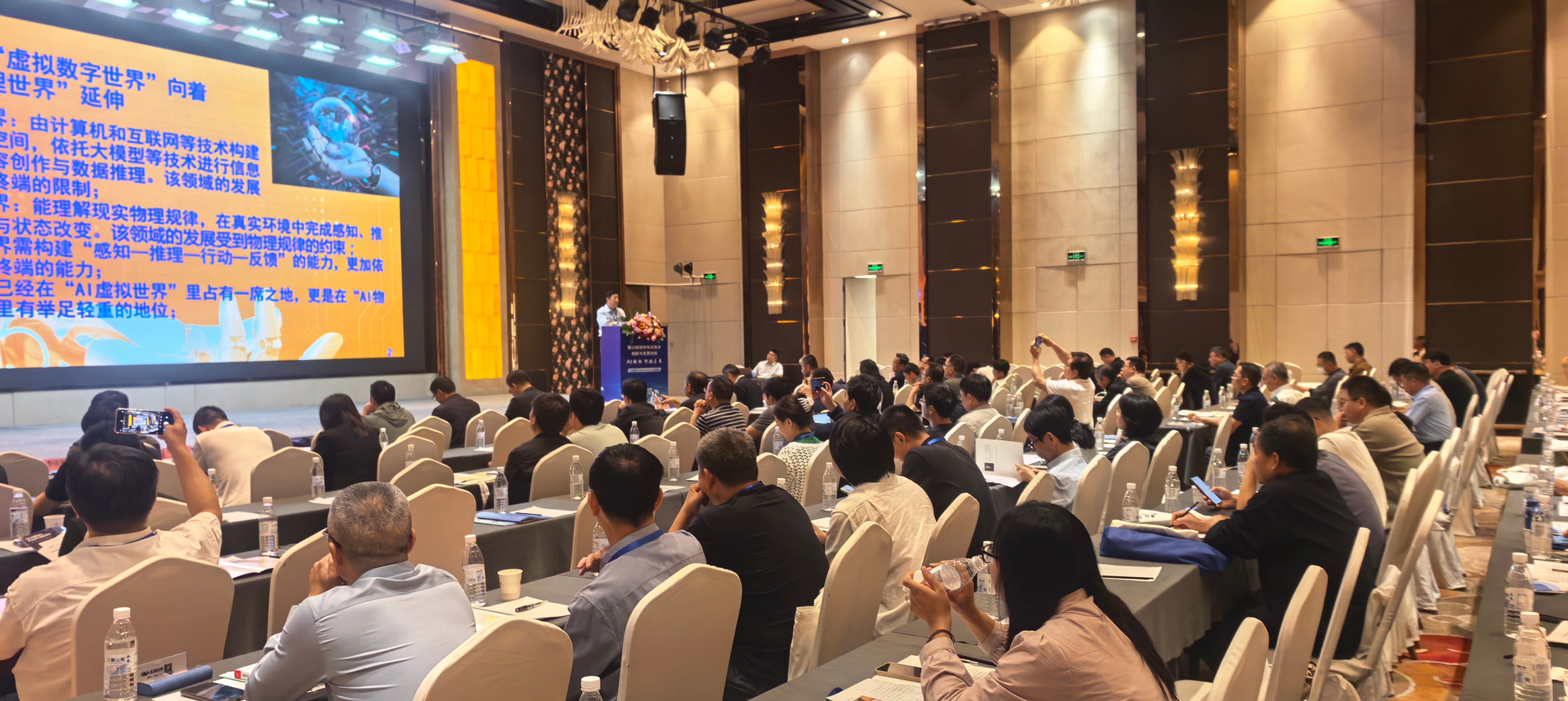
As the core power source behind high-end equipment, intelligent robots, and automation systems, micro-motors are now under intensifying scrutiny. With humanoid robots, embodied AI, low-altitude aircraft, and computing centers advancing toward commercialization, the bar for miniaturization, efficiency, reliability, and production consistency keeps rising—squeezing traditional R&D and manufacturing models.
In his keynote, Dr. Bi Chao noted that as AI moves from the digital realm into the physical world, motor technology has become a critical enabler. With performance bars rising, use cases multiplying and product cycles compressing, AI is reshaping motor design, control and testing end to end—shortening development through simulation, shifting control from rule-based logic to autonomous perception-driven systems, and making testing smarter, more automated and more precise.
Altior Agent addresses entrenched bottlenecks in embedded motor-control development: fragmented toolchains, reliance on expert judgment, hardware–software silos, manual testing inefficiency and hard-to-capture engineering know-how. The industry's first embedded-development AI agent that interfaces directly with physical hardware, it establishes a closed loop—AI instruction dispatch, hardware execution, data acquisition, analysis and optimization, closed-loop control—that ties AI decisions to code, hardware actuation and measured feedback. Available as a private deployment for large enterprises or a SaaS "AI Digital Employee" subscription for smaller companies and developers, it is already in use across cooling fans, vacuum cleaners, indoor air-conditioning units, refrigerator compressors and seat ventilation systems, with measurable efficiency gains.
Backed by Fortior Technology's strengths in motor design, drive-control architecture and chip development—and guided by a "chips + core algorithms + complete system solutions" strategy—the company has delivered proprietary, industry-leading control algorithms widely adopted in automotive electronics, industrial control, intelligent robotics and consumer electronics. By investing early in AI algorithms on top of its semiconductor and motor base, Fortior is building a dual-engine advantage of "hardware chips + AI software algorithms," aiming to rank among the world's leading providers of integrated chip and intelligent system solutions.
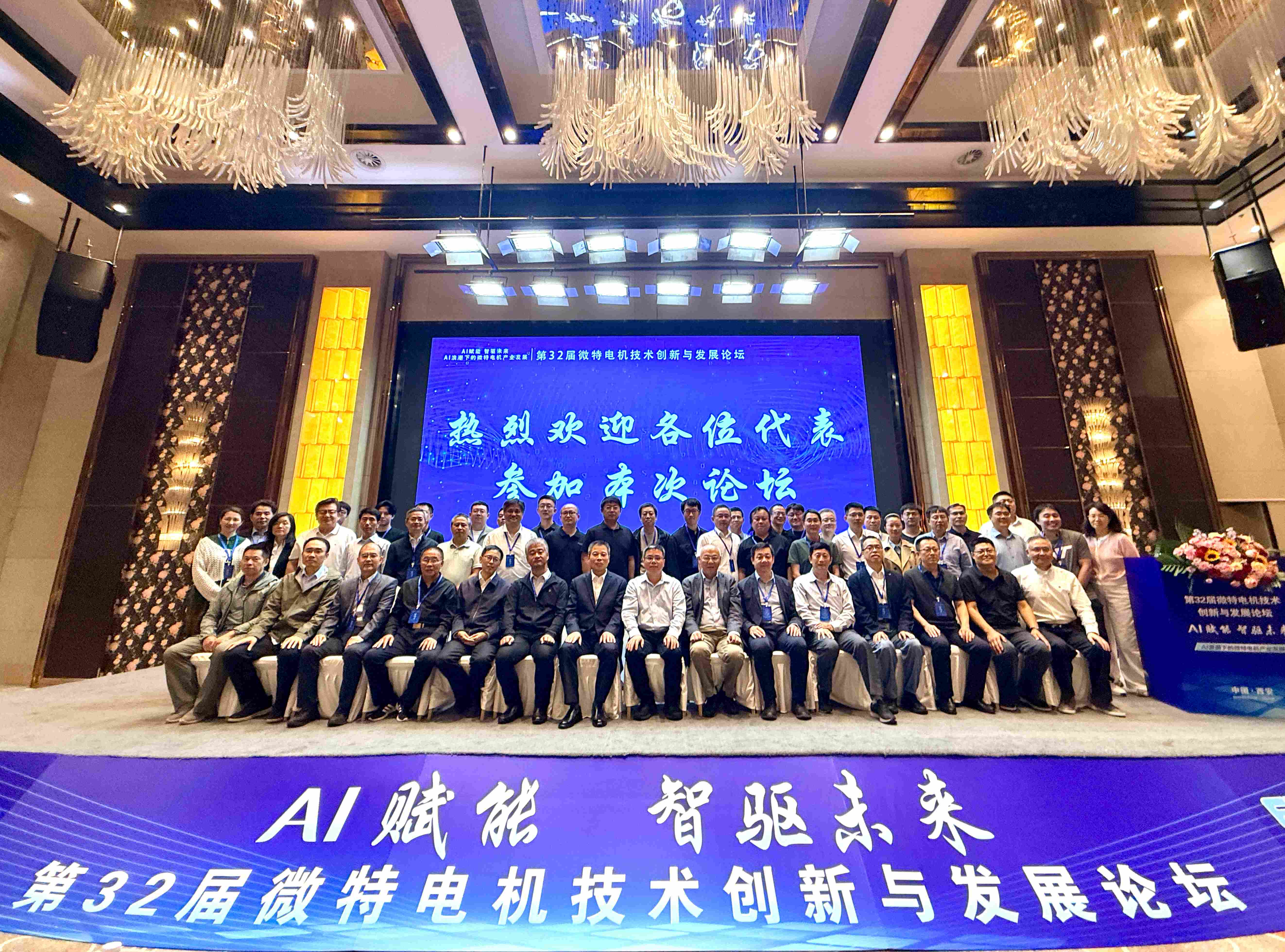
Dr. Bi Chao concluded that AI unlocks motor R&D approaches once out of reach, boosting efficiency and lowering cost—but sustains value only when fused with deep domain expertise, giving technically grounded companies the edge in an AI-driven market.
The forum, by bridging industry, academia, research and application, accelerated the deployment of frontier technologies; Fortior will build on this momentum to deepen its core technologies, expand collaborative innovation and advance the industry's transformation.