


Fortior Technology (A-share: 688279.SH; H-share: 01304.HK) recently announced that two in-house, automotive-dedicated BLDC motor driver ICs —FU7564Q1 and FU7512Q1 — have passed AEC-Q100 Rev-J Grade 1 automotive reliability qualification.
Passing this automotive-grade qualification means the two ICs now meet the international automotive industry's unified standards for reliability and environmental endurance. It directly addresses the industry's long-standing pain points — inadequate operating-condition fit, insufficient compliance credentials, and the inability to scale into mass production — enabling automakers and Tier-1 customers to bring automotive BLDC chips into compliance, pursue domestic substitution, and onboard them into supply chains on a large scale, while dismantling barriers to market entry.
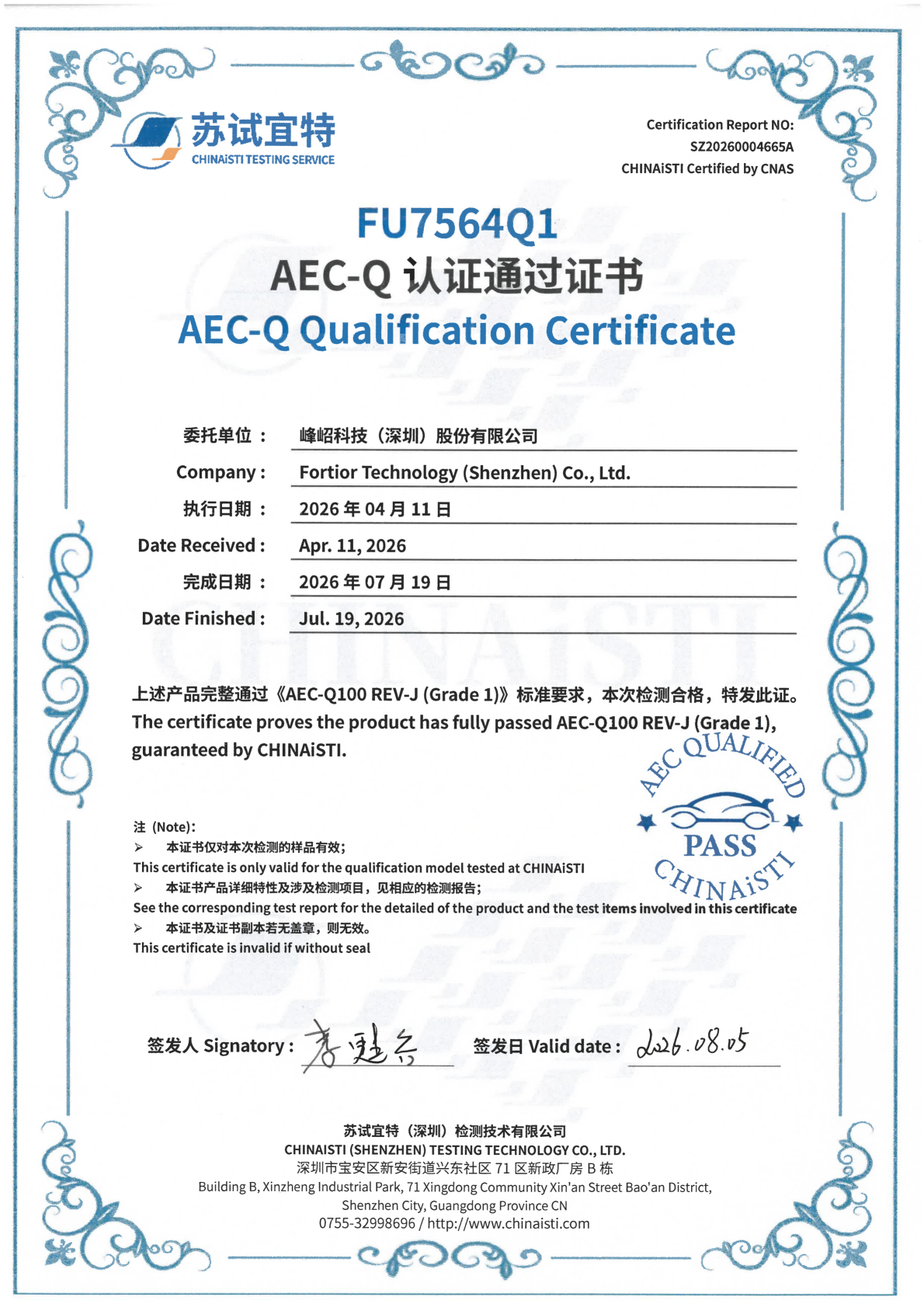
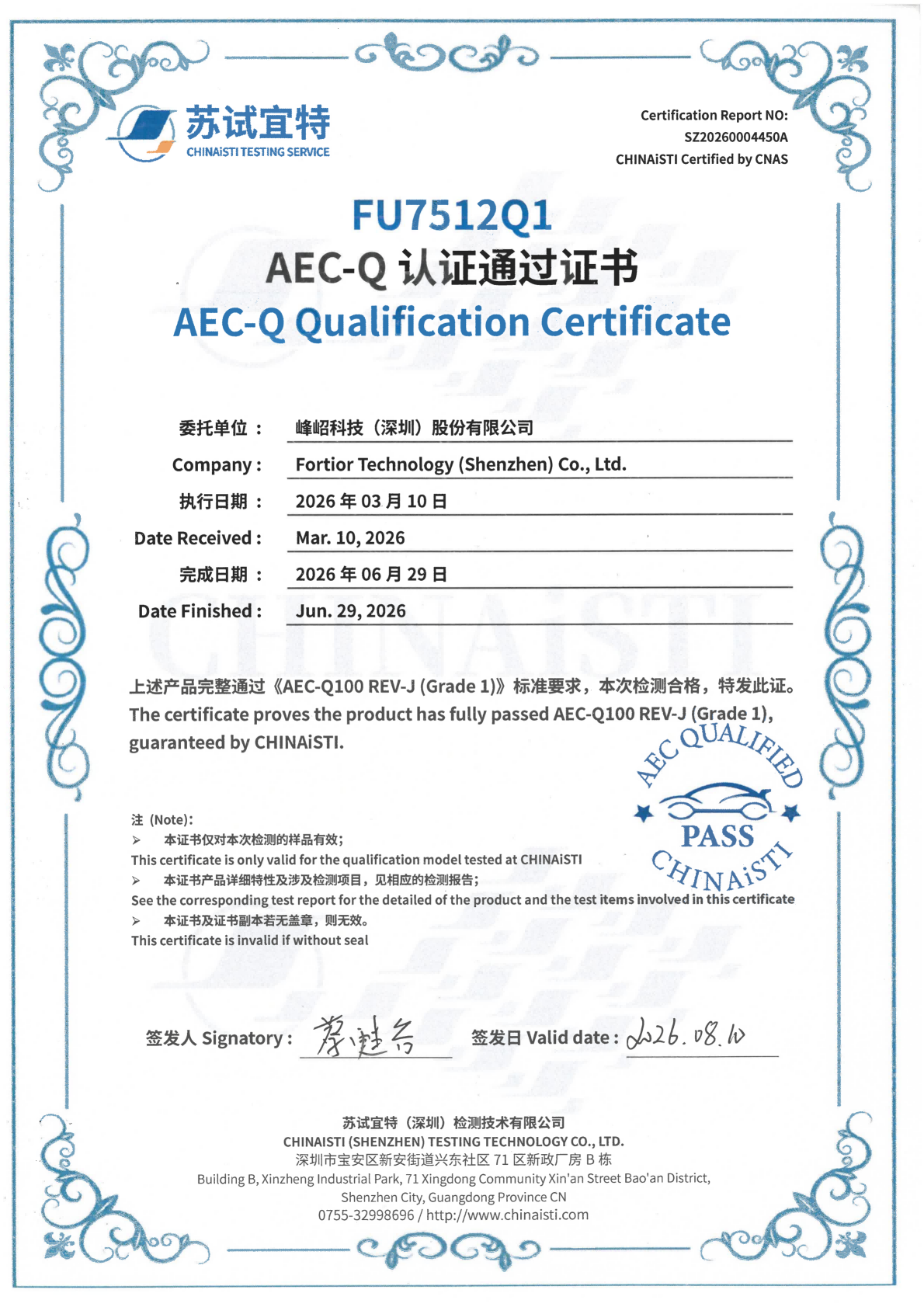
(AEC-Q100 is the de facto reliability and admission standard for integrated circuits, established by the U.S. Automotive Electronics Council (AEC) and widely adopted by automakers and Tier 1 suppliers worldwide. It is the standard entry grade for mainstream automotive BLDC chips globally, and test reports issued under it are valid worldwide through the CNAS/ILAC mutual recognition arrangement.)
Full-Domain Reliable Adaptation, Mitigating Whole-Vehicle Operating Risks
Addressing customers’ concerns about unstable operating conditions and unexpected failure
→ Comprehensive automotive-grade stress validation, with zero hidden risk in extreme conditions;
In the electronic architecture of new energy vehicles, BLDC motors in body and thermal management systems are the highest-volume basic actuators. The automotive-grade reliability of the ICs that drive them is a core requirement for automakers and Tier 1 suppliers in mass production, quality consistency, and supply chain selection.
AEC-Q100 Rev-J is the universal reliability benchmark for automotive ICs worldwide, and Grade 1 is the mainstream high-level grade for wide-temperature applications, covering the extreme automotive operating range of –40 °C to +125 °C. Built on failure physics rather than simple functional verification, the latest revision evaluates the entire chain — from chip design and packaging processes to reliability engineering and mass production quality control — through dozens of accelerated stress tests (including temperature cycling, HAST, HTOL and ESD protection), providing authoritative verification of a chip's operating-condition fit and long-term service stability.
Passing the complete set of high-level qualifications in a single attempt, the two chips enable customers to eliminate, at the source, the risk of end-equipment failure, error reporting, or shutdown under extreme driving conditions. This effectively lowers after-sales failure rates and quality control costs, helps customers clear approvals smoothly, sustain mass production and maintain on-going delivery, and builds a reliable protective barrier for end-product quality reputation and market stability.
Highly-Integrated China-based Solution, Breaking the Cost, Efficiency, and Supply Bottleneck
Addressing customers’ pain points of cumbersome validation and elevated cost
→ Authoritative third-party endorsement that dramatically streamlines customer validation and optimizes cost;
Industry data show that BLDC motor content per new energy vehicle continues to climb, with actuator motors used in thermal management water pumps, cooling fans, HVAC air-conditioning, and body pumps and valves now among the fastest-growing segments in vehicle builds. For a long time, high-end driver ICs in this field have depended heavily on overseas solutions, leaving customers with high procurement costs, unpredictable delivery time, and constrained supply of core components — all of which hold back product iteration and put mass production security at risk. Domestic substitution has become a hard requirement for the industry.
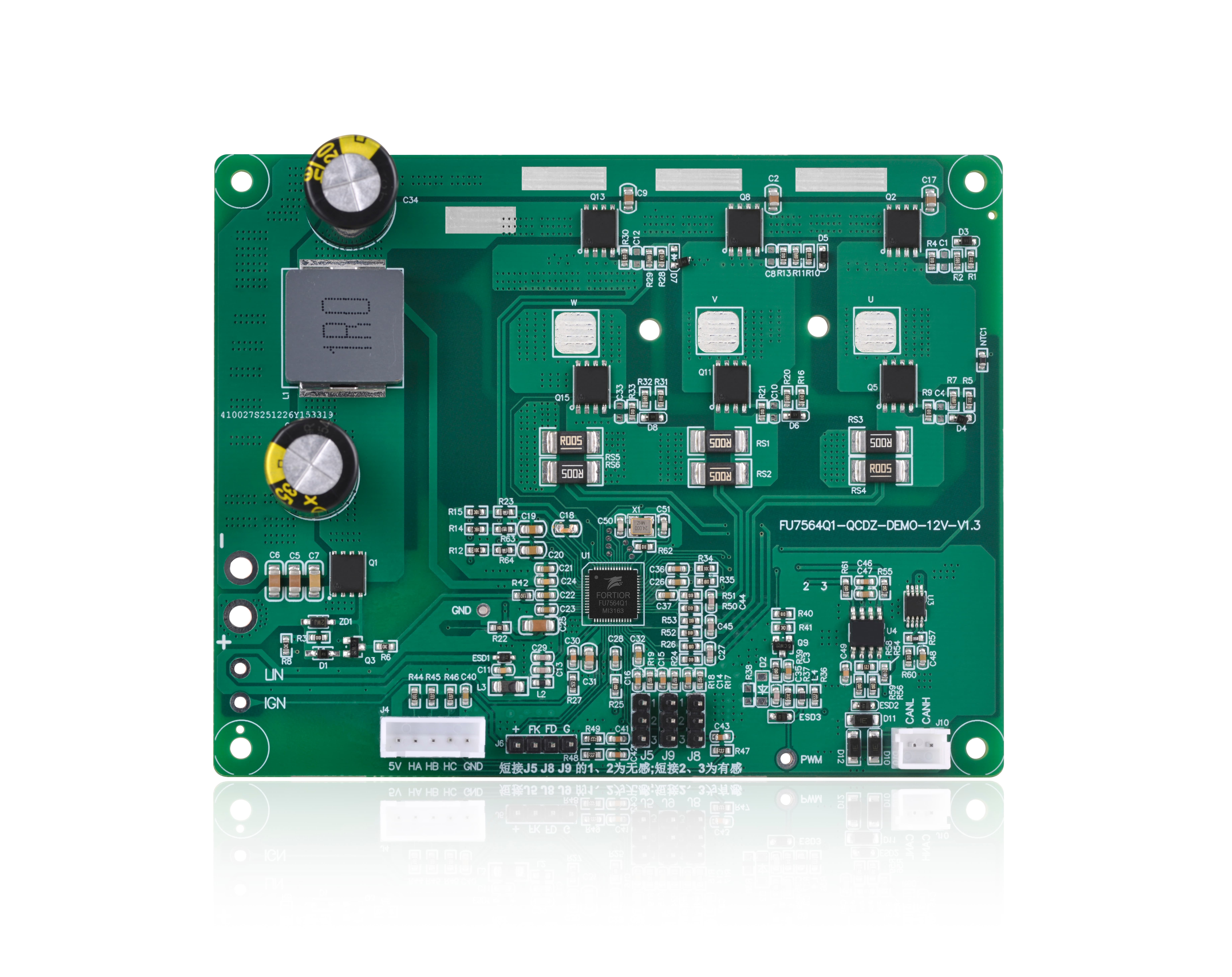
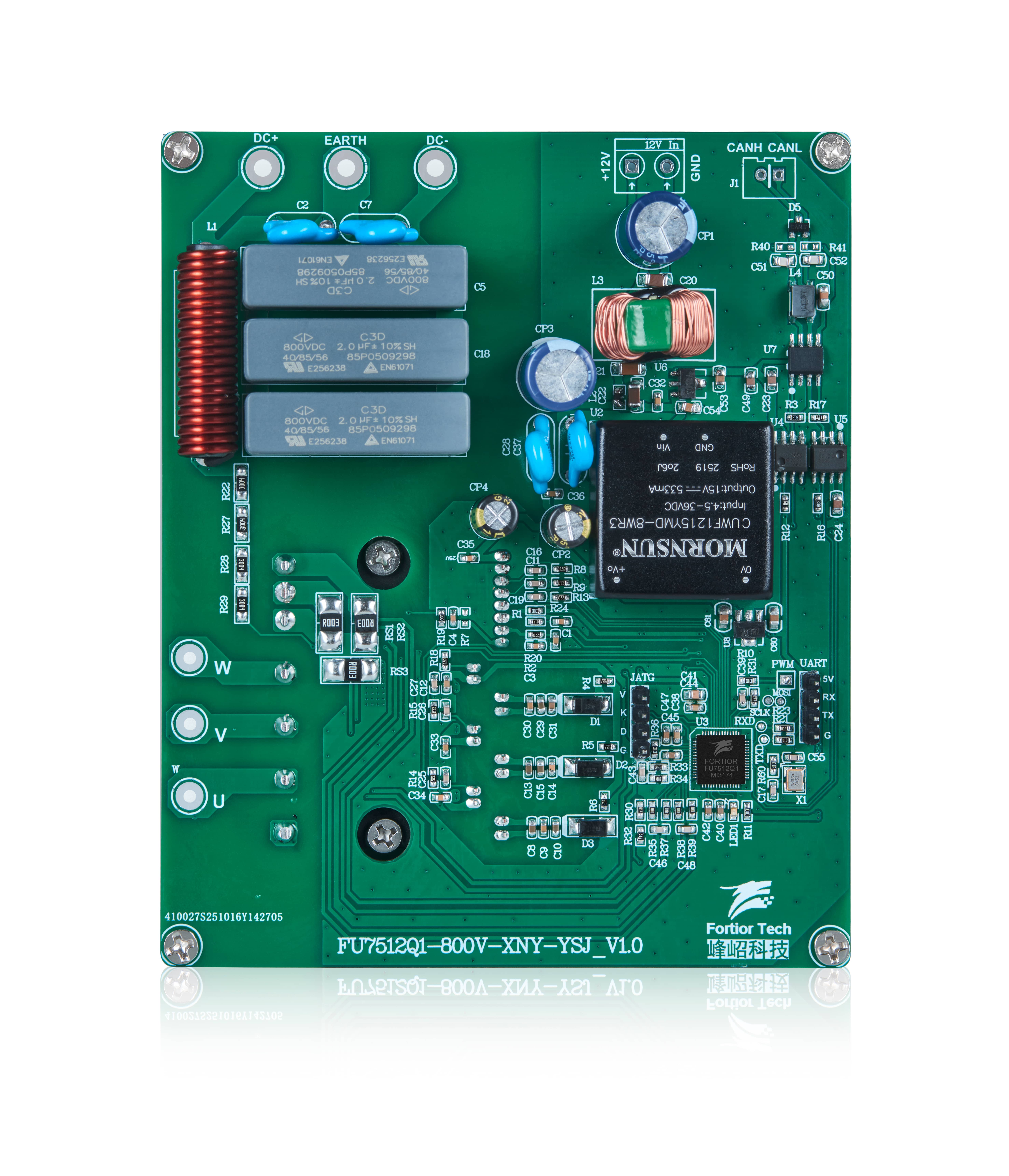
To address the three core pain points of cost, development effort, and supply chain, FU7564Q1 and FU7512Q1 were purpose-built for automotive BLDC motor applications. The two ICs integrate Field-Oriented Control (FOC), power drive, and multi-level fault protection in hardware. By hardwiring the control algorithms, they substantially lower the bar for software development and debugging and simplify customers' peripheral hardware architecture. In mass production, this streamlines external components, optimizes BOM cost, and shortens product validation cycles, helping customers bring projects to market and iterate on new products faster.
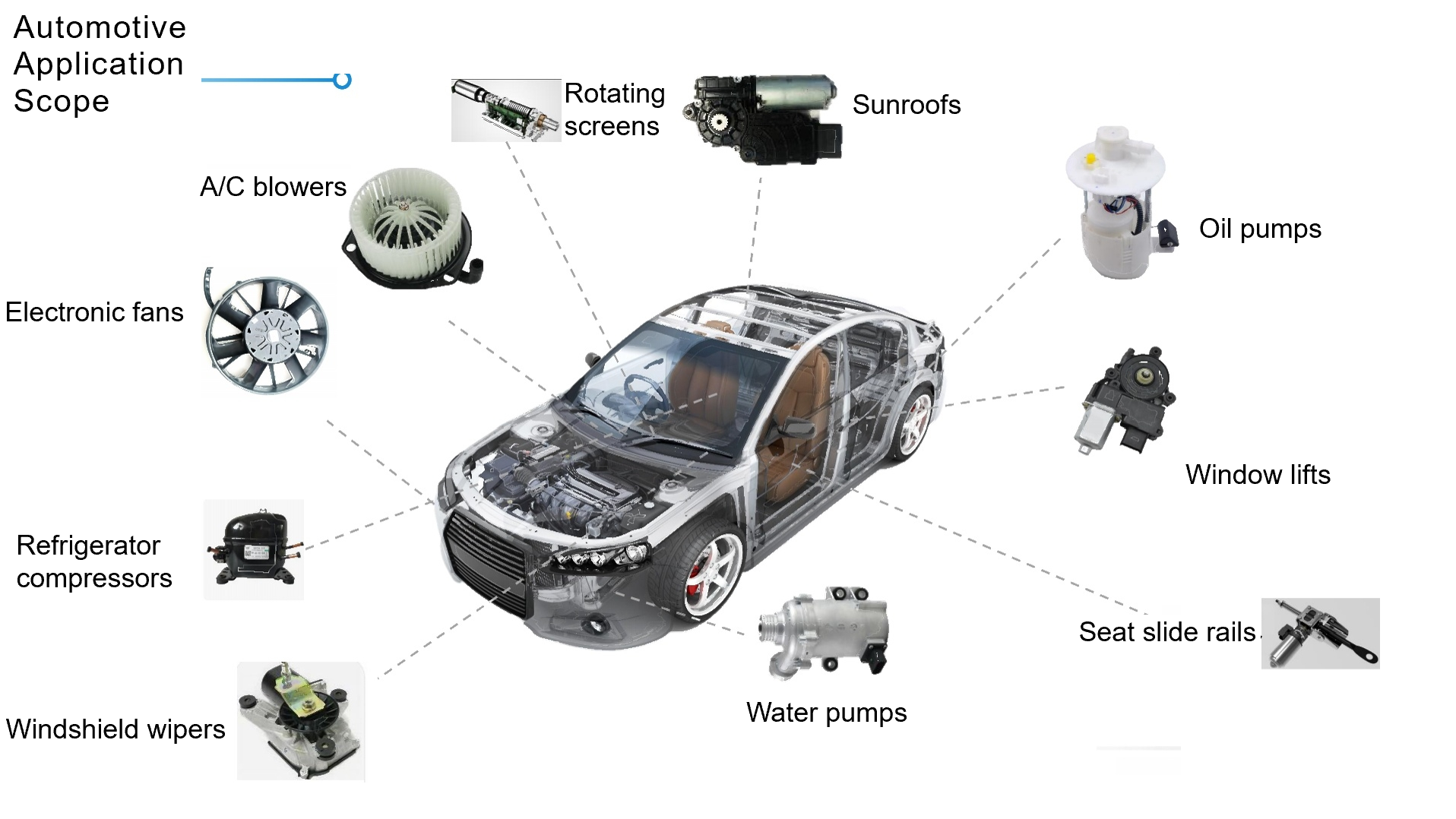
The two products are fully suited to a broad range of applications — automotive thermal management, body ventilation, pump and valve control and more — with performance fully on par with imported chips. Backed by local R&D and close-at-hand technical support, they free customers from the high prices, volatile delivery time, and lagging technical support associated with overseas chips, offering a domestic-substitution path that is reliable in performance, controllable in cost, and self-controlled in delivery — a practical answer to the industry's long-standing pain points of slow iteration, high cost, and supply chain vulnerability.
E2E Technical Backing for Stable Mass Production and Stronger Competitiveness
Addressing customers’ reliance on imports and supply chain instability
→ A compliant, local mass production solution with self-controlled delivery
In China's BLDC driver IC market, domestic substitution is already well established in the consumer electronics and industrial control segments. The automotive electronics market, however, remains constrained by multiple barriers in technology, qualification, and quality systems, leaving customers with limited supply of high-quality domestic components and insufficient ecosystem support.
To support customers' long-term mass production and product iteration needs, Fortior has built full-chain capabilities around its automotive business, covering a complete closed loop from product definition, circuit design, package selection, reliability testing, to application fit. The company is steadily expanding its automotive-grade driver IC and automotive-grade MCU portfolios, embedding reliability and application-fit requirements into every stage of R&D, continuously growing the domestic supply of high-end automotive chips, and giving customers device options that are cost-effective, highly stable, and highly safe.
As China's automotive industry enters a phase of high-quality development, automakers and their supply chains increasingly value self-controlled core components, continuous product iteration, and supply chain security. In response to customers' real-world engineering and mass production challenges, Fortior will increase its R&D investment in automotive electronics and build an integrated “chip–algorithm–system solution” delivery capability, helping customers forge their own competitive edge and advancing the self-reliant, high-quality development of the automotive electronics industry.
What does automotive-grade qualification actually deliver for customers? One table shows the core changes at a glance:
| Item | Advantage |
| Market access |
|
| Operating conditions |
|
| Customer cost reduction |
|
| Mass production |
|